

The Art of Being Human
Understanding Early Imprints and Learning to Thrive
A 3-Year Professional and Personal Development Journey
Through Pre- & Perinatal Somatic Psychology
Overall Scope & Purpose
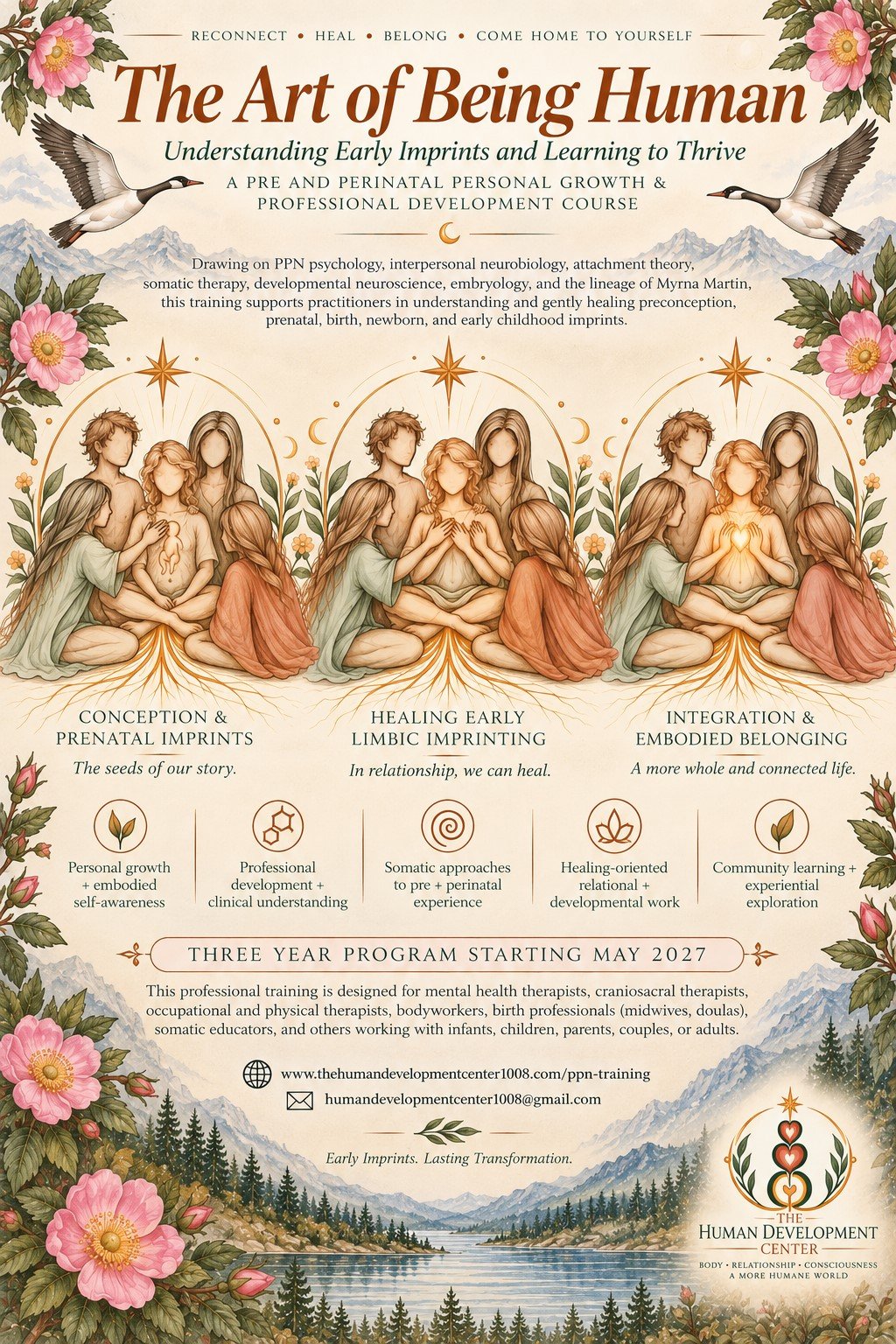
This professional training is designed for mental health therapists, craniosacral therapists, occupational and physical therapists, bodyworkers, birth professionals (midwives and doulas), somatic educators, and others who work with infants, children, parents, couples, or adults. It offers an in-depth exploration of the earliest foundations of human development and how our earliest experiences shape nervous system regulation, attachment, identity, health, and relational patterns throughout life.
Drawing from Pre- and Perinatal Psychology, Interpersonal Neurobiology, Attachment Theory, Somatic Therapy, Developmental Neuroscience, Embryology, and the work of pioneers such as Myrna Martin and Ray Castellino, the training offers a compassionate, embodied approach to understanding and supporting the healing of preconception, prenatal, birth, newborn, and early childhood imprints.
Throughout the program, participants deepen both their personal and professional capacities while developing practical skills they can immediately integrate into their work.
Participants will gain:
A deeper understanding of human development from preconception through early childhood
Support for cultivating secure self-attachment, embodied presence, and relational safety
Skills to recognize and work with early trauma, birth-related imprinting, attachment dynamics, and ancestral patterns
Embodied, somatic approaches that integrate nervous system regulation, bodywork, and emotional process
Practical tools to support infants, children, parents, couples, families, and adults toward greater resilience, health, and well-being
Support in small groups that fosters personal growth alongside professional development
The Experience
The Art of Being Human is a three-year experiential and professional training designed to be lived, not simply studied.
Across thirteen seminars, participants move through a carefully sequenced exploration of human development from preconception through adulthood. Each seminar combines intellectual learning with embodied experience, hands-on practice, personal reflection, and time in relationship with the learning community.

Learning Through the Body
A significant portion of the training is experiential. Rather than learning about early development only through lectures and discussion, participants have opportunities to explore the material through their own bodies, nervous systems, relationships, movement, touch, and lived experience.
Approximately one-third to one-half of each seminar is devoted to cognitive learning, with the remaining time is devoted to experiential exercises in small groups, or “pods.”
This allows participants to develop an understanding of the material both in mind and body.
Small Group Work
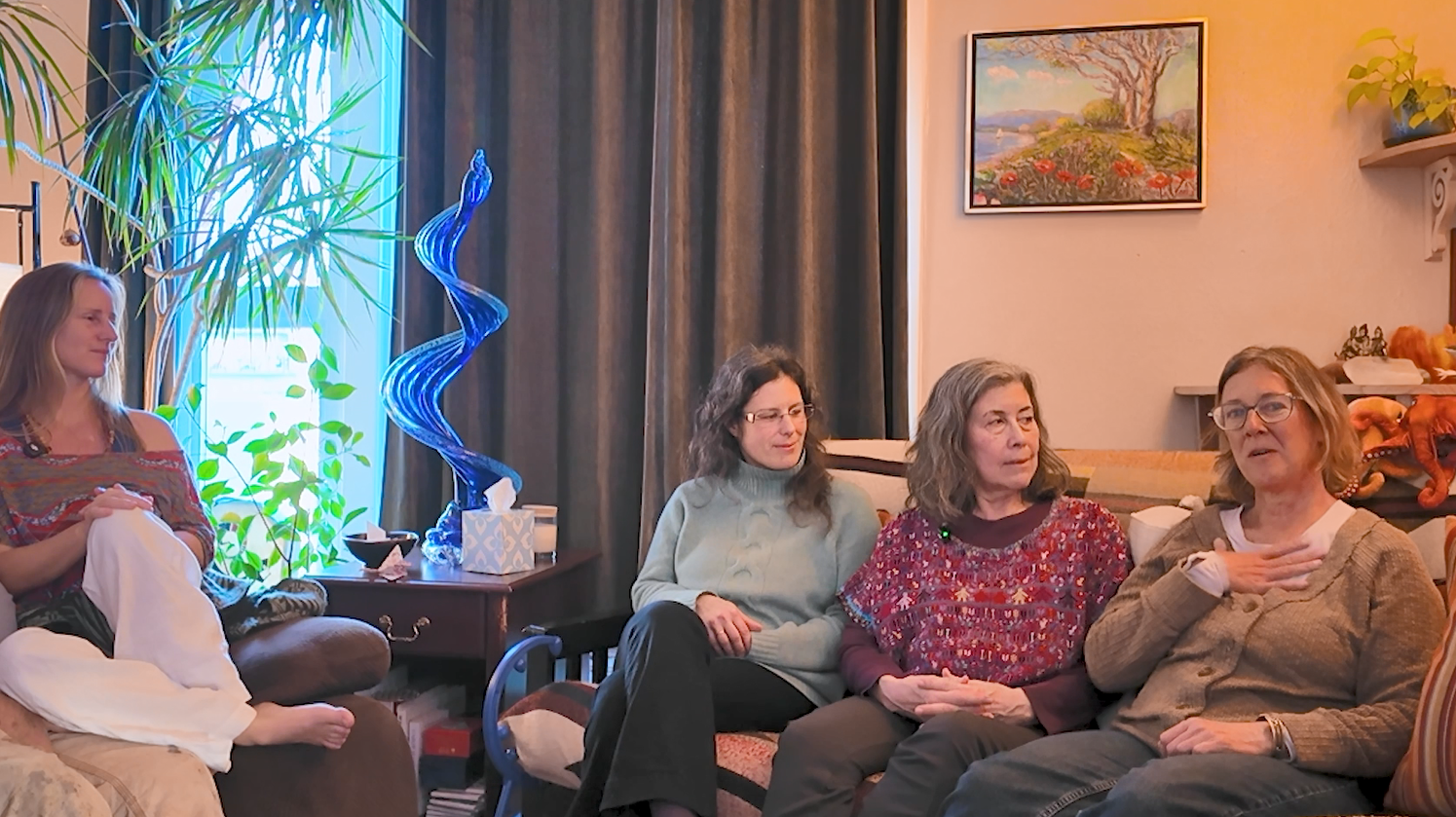
Throughout the training, students work in small practice groups, or pods, creating a consistent space for deeper practice and relationship.
Each pod includes approximately three students with a teaching assistant who supports the group throughout the training. Pods provide an opportunity to practice skills, explore experiences, receive feedback, and develop the capacity to work with others in a grounded and attuned way.
This small-group structure is an important part of the training. It allows students to be known, supported, and challenged while developing their professional skills.
Personal Experience as Part of Professional Development
Working with early human experience naturally brings us into contact with our own histories.
Participants are invited to explore their own developmental and birth stories throughout the training, always with choice, pacing, and respect for individual boundaries. Personal process is not separate from professional learning. It can deepen our capacity for presence, self-awareness, differentiation, and compassionate attunement to the people we serve.
The intention is not to recreate or diagnose the past, but to develop greater awareness of how our own experiences may shape the way we meet others.
A Learning Community
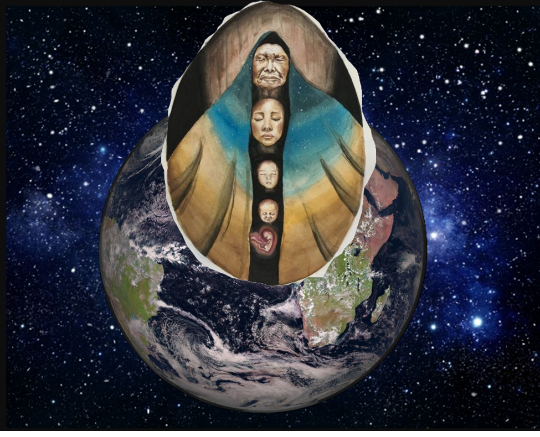
This is an in-person cohort-based training, and the relationships formed within the group are an important part of the experience.
Over three years, participants have the opportunity to learn alongside the same community of practitioners, developing trust, collaboration, and a shared language. Teaching staff and teaching assistants remain involved throughout the program, creating continuity as the material becomes increasingly complex.
From Foundations to Practice
The curriculum follows a developmental arc.
The early seminars establish foundations in pre- and perinatal development, attachment, embryology, nervous-system regulation, and relational safety. From there, the training moves into birth experiences, medical interventions, loss and ancestral patterns, couples and attachment, infants and families, therapeutic play, prematurity and early medical trauma, and eventually work with adults.
The advanced seminars build on this foundation, with increasing emphasis on clinical application, case review, supervision, integration, and professional practice.
The Rhythm and Container
Join a Discovery Call
Q & A Session
We invite you to join us on Zoom to learn more about The Art of Being Human and meet Clara and the teaching team.
During each Discovery Call you will have a chance to ask questions you may have about the training.
All times are Pacific Time (Washington State).
September
Friday, September 25 • 7:00 PM
Saturday, September 26 • 5:30 PM
October
Friday, October 9 • 7:00 PM
Saturday, October 10 • 5:30 PM
November
Friday, November 6 • 7:00 PM
Saturday, November 14 • 5:30 PM
December
Friday, December 4 • 7:00 PM
Complete the form to reserve your place.
We'll send you the Zoom link and any additional details before the call.
Voices from the Journey
“This training has transformed my professional and personal life. The thoughtful balance between deep relational and somatic practices, cognitive learning, and ample opportunity to practice therapeutic skills has provided a unique opportunity for the deepest transformations within my own being, security in connection, and ability to support others in their own journey.
Clara’s wisdom, capacity, skills, and knowledge around nervous system regulation and early attachment healing is immense. She embodies the principles she is teaching in her facilitation, leadership, and guidance, providing a role model for us all.
The level of support available in this training is unparalleled. I have learned so much from the TAs and greatly benefited from their embodied presence during small pod practices.
This training is a big commitment, and it is worth every drop of investment. My psychotherapy practice with young children and families, and with adults, has become immeasurably deeper and richer as a result of it.”
“There are some teachers who cross our paths who will walk with us forever. Hiraman and Clara are some of the most potent, compassionate, profoundly skilled, and deeply humble guides I have had the privilege to know.
One of their greatest gifts, as teachers, is their ability to demonstrate mastery and honor a student’s gifts with the same reverence, and always make space for inquiry and evolution.
In the classroom, I always felt like I was having a lovely conversation — a back and forth with ease, even in the face of complex subjects.
Beyond words, the environment they create is remarkable, and the field is notably held. They dedicate a large portion of their classes to experiential learning, whether through meditation, awareness exercises, hands-on practice, demonstration, or supervised clinics with clients.
This integrative approach allows for cognitive and embodied learning, a full immersion method. As lovely humans, both their individual and co-authored offerings are magical.”
“Participating in the Womb Surround with Clara and Hiraman was one of the most profound healing experiences of my life — it touched something in me that talk therapy never could.
Their sacred devotion, attunement, and loving presence created a field where my body finally felt what it missed at the beginning of life.
I left feeling more grounded, emotionally available, and whole — and my family is already experiencing the ripple effects.”
“Clara and Hiraman hold a special kind of space.
I met them at a time when all of my trauma patterns were up. Everyone around me, including myself, seemed focused on ‘what’s wrong with me.’ I had come across the concept of ‘basic goodness’ in my twenties, and it blew me away. But Clara and Hiraman took it to a whole new level by living it and embodying it.
They focused on the health in me. The goodness in me. They saw something in me that I was struggling to see for myself.
They became a safe space for me to simply be, and through being with them, I began to learn what safe space actually feels like. I learned how to create and hold that space for myself, and eventually, for others.
They have always been caring, deeply present, and honestly human themselves. They don’t pretend to have it all figured out. They show up as real people, with all of the messiness, humanity, humor, and heart that comes with being human.
They helped me find my way back to myself.”
“When I first encountered this work, I attended my first process workshop in 2008. Something in me knew I had found a place that spoke to questions I'd been carrying my whole life. I continued studying with Myrna until I was able to begin the full training in 2012.
The training fundamentally changed my relationship with myself.
One of the deepest gifts was developing a much stronger felt sense of secure attachment. Before then, I understood attachment intellectually, but through this work I began to experience what safety, connection, and belonging actually felt like in my body. That experience became an internal reference point. It changed what I believed I deserved in relationship and what I was willing to accept.
As I continued integrating the work, I realized that the marriage I was in no longer reflected the kind of relationship I now knew was possible. Eventually I made the difficult decision to leave. It wasn't because the training told me what to do. Rather, it helped me trust my own experience and recognize that I was worthy of a relationship rooted in presence, reciprocity, and secure attachment. Looking back, that has been one of the healthiest decisions of my life.
Another area of profound healing was around birth. I was born by Caesarean section, and throughout much of my life I carried a constant feeling of being out of sync with time. I was almost always anxious about timing. Whether I was moving too fast or too slowly, nothing ever felt quite right. As I explored my birth experience and its imprint on my nervous system, I began to understand these patterns with much greater compassion.
Through the training, I worked deeply with sequencing, timing, and completion. Instead of constantly pushing or rushing myself, I learned how to move through life in a way that felt organized from the inside out. As my capacity for completing one step before moving to the next grew, my nervous system became noticeably more regulated. The chronic anxiety that had accompanied me for years gradually softened, and everyday life became much more manageable.
More than anything, this training gave me a different relationship with myself. It offered an understanding of human development that continues to shape every aspect of my work as an early childhood specialist, parent mentor, somatic practitioner, and now as a teaching assistant. I continue to return to these principles because they don't simply explain human experience. They offer a pathway toward greater wholeness, compassion, and freedom.”
Full Training Schedule
| Seminar | Dates | Topic / Theme |
|---|---|---|
| Seminar 1 | May 5-9, 2027 | Foundations of Pre & Perinatal Awareness, Safety & Attachment |
| Seminar 2 | September 22-26, 2027 | Pre-Conception, Conception & Early Embryonic Potency and Imprinting |
| Seminar 3 | December 1-5, 2027 | The Vaginal Birth Journey — A Baby’s Perspective |
| Seminar 4 | February 23-27, 2028 | Medical, Chemical & Surgical Birth Interventions |
| Seminar 5 | May 10-14, 2028 | Life, Loss, Death & Ancestral / Double-Bind Imprinting |
| Seminar 6 | September 20-24, 2028 | Couples & Attachment Perspectives |
| Seminar 7 | November 15-19, 2028 | Infants and Their Families — Applied Hands-On Pre & Perinatal Skills |
| Seminar 8 | January 24-28, 2029 | Preschoolers and Family Sessions — Therapeutic Play |
| Seminar 9 | April 25-29, 2029 | Prenatal Loss, Artificial Reproductive Technologies & Twin Loss Dynamics |
| Seminar 10 | September 19-23, 2029 | Prematurity, NICU Experiences & Early Medical Trauma |
| Advanced Training | ||
| Seminar 11 | November 28-December 2, 2029 | Adoption, Foster Care, Surrogacy & Non-Birth Parent Attachment |
| Seminar 12 | January 23-27, 2030 | Working with Adults — Healing Pre & Perinatal Imprints |
| Seminar 13 | TBD | Integration, Clinical Case Review & Personal Birth Process Work |
Detailed Curriculum Content
Seminar 1 – Foundations of Pre & Perinatal Awareness, Safety & Attachment
Overview:
This seminar establishes the theoretical and experiential foundations of pre- and perinatal work. Participants explore how attachment begins before birth and is shaped by the earliest relational and physiological conditions of life.
Core themes include:
Attachment development from preconception through the first two years of life
Interpersonal neurobiology and nervous-system co-regulation
Embryology, early imprinting, and the formation of self-regulation
Attachment styles, adaptive patterns, and relational compensation strategies
Somatic attunement, presence, grounding, boundaries, and differentiation
Seminar 2 – Pre-Conception, Conception & Early Embryonic Imprinting
Overview:
This seminar explores the earliest beginnings of human life and how physical, emotional, relational, and ancestral factors present at conception shape the emerging nervous system.
Core themes include:
Preconception influences: epigenetics, ancestral patterns, parental readiness
Conception as an experiential and relational event
The baby’s experience of being wanted, welcomed, or conflicted
Early differentiation within the parental system
Somatic skills for tracking subtle cues, titration, and early developmental rhythms
Seminar 3 – The Vaginal Birth Journey: A Baby’s Perspective
Overview:
Birth is explored as a lived, embodied experience for the baby, shaping physiology, movement, nervous-system organization, and early relational patterns.
Core themes include:
Stages and dynamics of vaginal birth
Cranial molding, movement patterns, and reflex development
Somatic and psychological meaning of the birth passage
Therapeutic approaches for healing challenging birth experiences
Personal birth exploration (with choice and safety)
Seminar 4 – Medical, Chemical & Surgical Birth Interventions
Overview:
This seminar examines how medical interventions influence early imprinting and how these experiences may echo across development.
Core themes include:
Effects of induction, anesthesia, analgesics, cesarean birth, forceps, vacuum extraction
Prenatal or early-life surgeries and medical procedures
Impacts on structure, energy, autonomic regulation, and attachment
Somatic and body-based approaches for integration and healing
Recognizing intervention patterns in later posture, behavior, and relationships
Seminar 5 – Ancestral Imprinting, Loss & Double Binds
Overview:
Participants explore complex imprinting related to ancestral trauma, prenatal loss, and conflicting relational messages.
Core themes include:
Twin embryology and twin-loss dynamics
Miscarriage, stillbirth, and prenatal loss
Transgenerational trauma and family lineage patterns
Double binds and unresolved survival conflicts and how to resource and work effectively with them
Practitioner Resonance, transference and countertransference skill development
Somatic and systemic approaches to ancestral healing
Seminar 6 – Couples, Relationships & Attachment
Overview:
This seminar applies pre- and perinatal understanding to adult relationships and parenting systems. Working with couples in a body centered emotionally focused way
to support couples to include dynamics of early attachment and the relevance of non-verbal communication in relational dynamics and repair processes.
Core themes include:
Early attachment imprints in adult relationships
Somatic approaches to couples work and co-regulation
Differentiation, boundaries, and relational safety
Supporting conscious conception, pregnancy, and parenting
Seminar 7 – Infants and Their Families: Applied Hands-On Skills
Overview:
Participants learn to work directly with infants and families using gentle, attuned, body-centered approaches.
Core themes include:
Nervous-system regulation and co-regulation
Craniosacral and gentle touch techniques
Supporting parent–infant bonding and attunement
Ethical and practical considerations when working with families
Seminar 8 – Preschoolers & Family Sessions: Therapeutic Play
Overview:
This seminar focuses on early childhood (ages 2–6) and family-based therapeutic approaches.
Core themes include:
Developmental needs of preschool-aged children
Therapeutic play, movement, and symbolic expression
Family-system dynamics and attachment repair
Supporting regulation, boundaries, and emotional expression
Sand Tray for preconception, conception and birth history
Seminar 9 – Prenatal Loss, ART & Twin-Loss Dynamics
Overview:
A deeper exploration of loss and complex beginnings, including assisted reproductive technologies.
Core themes include:
ART, IVF, donor conception, and surrogacy implications
Psychological and somatic impacts of early loss
Identity, belonging, and attachment dynamics/challenges
Therapeutic approaches for grief and integration
Seminar 10 – Prematurity, NICU & Early Medical Trauma
Overview:
This seminar addresses the unique needs of premature and medically vulnerable infants and their families.
Core themes include:
Impact of prematurity and NICU environments
Nervous-system pacing and trust-building
Supporting parental regulation and bonding
Long-term developmental and therapeutic considerations
Completion of Foundation Training
Advanced Training (Seminars 11–13)
Seminar 11 – Adoption, Foster Care & Non-Birth Parent Attachment
Overview:
Explores attachment and identity formation within adoption, foster care, and non-birth parenting contexts.
Core themes include:
Early separation and attachment wounds
Identity, belonging, and grief
Somatic approaches to bonding and integration
Supporting adoptive and foster families
Seminar 12 – Working with Adults: Healing Pre & Perinatal Imprints
Overview:
Participants learn to adapt pre- and perinatal approaches for adult clients.
Core themes include:
Recognizing early imprinting in adult bodies and relationships
Somatic processing, titration, and integration
Ethical considerations and relational containment
Seminar 13 – Integration, Case Review & Personal Birth Process Work
Overview:
The final seminar focuses on integration, supervision, and professional application.
Core themes include:
Case presentations and group supervision
Personal integration of early-life history
Creative home projects and reflective practice
Preparing for clinical and professional application

Fees & Payment
The tuition for The Art of Being Human is on a sliding scale of US$1200-$1600 per seminar.
The fee then for the full foundational training runs on a sliding scale of US$12,000-$16,000. The advanced training costs an additional US$3600-$4800.
$500 deposit due December 5.
Some scholarships available. Please contact us for more information on this.
This training offers a lot of guided support for each individual, with teacher’s assistants for every small group.
This creates a container rich with opportunity for learning, growth, and healing.
Related Events & Upcoming Opportunities
Monthly Informational Talk Series on Pre- & Perinatal Somatic Psychology and Embodiment
What Supports Human Beings to Thrive?
Throughout the fall and winter, Clara will offer a series of free monthly talks exploring some of the foundational ideas and theory at the heart of Pre- and Perinatal Somatic Psychology and embodiment. If you’re considering joining us in May for The Art of Being Human, this is a great way to get your feet wet. If not, it’s still valuable information that many of us can benefit from knowing about.
Together, we’ll explore what supports human beings to develop, connect, adapt, and thrive, beginning with the earliest foundations of life. We’ll learn practices that support health and wellbeing, and explore the experiences and conditions that can interrupt or hinder healthy growth and development.
October 1, 2026 — Relationship
November 5, 2026 — Beginnings
December 3, 2026 — The Body
January 7, 2027 — Community
February 4, 2027 — Birth
March 4, 2027 — Learning & Practice
Womb Surrounds & Systemic Family Constellations
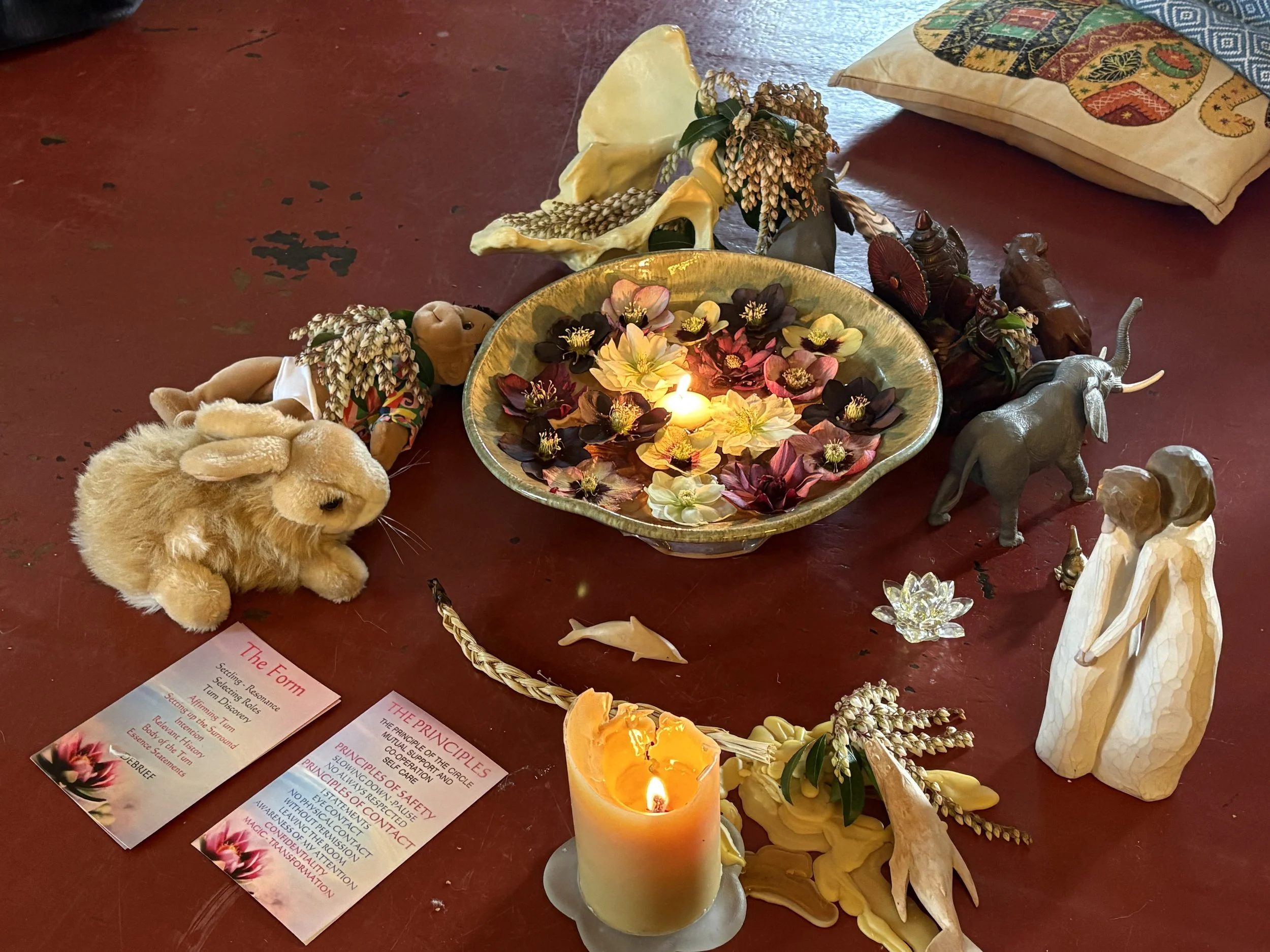
These experiential opportunities offer another way to explore pre and perinatal dynamics, relationship, and the patterns that shape how we move through the world.
Womb Surrounds
September 18–20, 2026
Friday 4:30 PM ~ Sunday evening
October 2–4, 2026
Friday 4:30 PM ~ Sunday evening
December 11–13, 2026
Friday 4:30 PM ~ Sunday evening
January 20–24, 2027
Wednesday 9:00 AM ~ Sunday evening
Five-day intensive
For more info, visit the here.
Systemic & Family Constellations
October 23, 2026
5:30–8:30 PM
October 24, 2026
9:30 AM–1:00 PM
October 30, 2026
4:00–8:30 PM
December 18, 2026
5:30–8:30 PM
January 29, 2027
5:30–8:30 PM
February 26, 2027
5:30–8:30 PM
March 26, 2027
5:30–8:30 PM
For more info, click here.
Biodynamic Craniosacral Therapy
with Hiraman
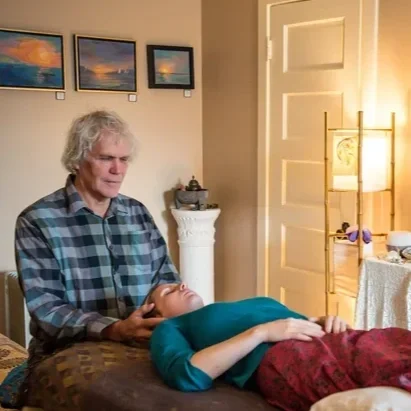
For Clara and Hiraman, biodynamic craniosacral therapy is more than a technique. It is a way of being: learning to become present, neutral, and deeply attentive so that another person’s body can find the conditions it needs to heal and come into relationship with itself.
This capacity to create a safe, spacious, relational field is central to The Art of Being Human. Receiving sessions yourself can be a valuable way to deepen your understanding of this work, both before and throughout the training. Experiencing what it is like to be held in this kind of presence can help you recognize and embody the qualities we cultivate as practitioners.
Biodynamic craniosacral therapy is one of the professional practices that can benefit from this training, and we encourage students to explore receiving sessions as part of their own ongoing learning and development.
Hiraman will be returning to town in early September and will be offering sessions. To schedule, text him at (360) 441-6998. He is currently traveling, so please be patient if it takes a little time for him to respond.
Now Accepting Applications
The next cohort of The Art of Being Human begins in May 2027.
We invite those who feel called to this work to begin the application process and explore whether this training is the right next step for their personal and professional journey.
We'd Love to Hear From You
Whether you're curious about the program, considering joining us, or would like to schedule a consultation, we invite you to reach out. Send us an email using the button below, and we'll be happy to connect with you.