
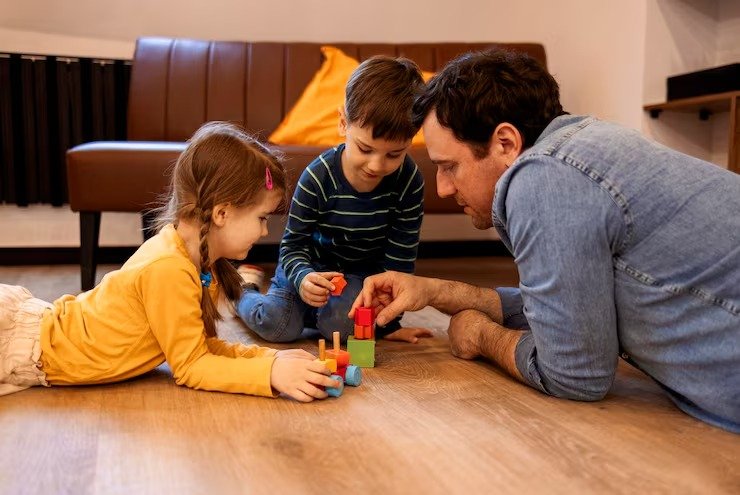
Child-Centered Family Play & Somatic Relational Work
At The Human Development Center
Supporting bonding, attachment, and nervous system regulation within families through the innate intelligence of play.
Two Ways to Engage
1. Child-Led Family Play
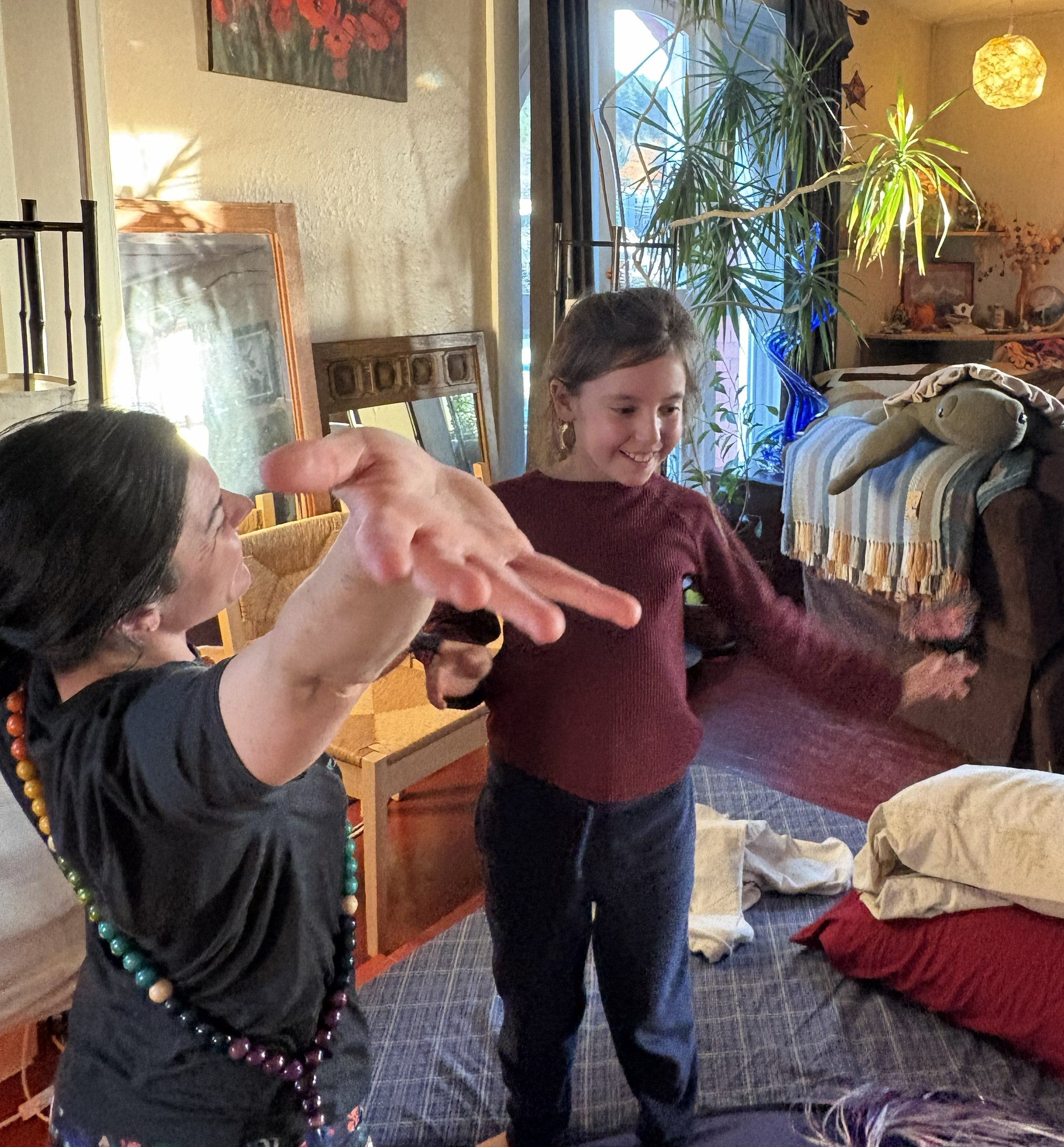
In-person or via Zoom. Children lead while parents practice attuned, regulated presence. Focus on attachment and shared experience.
2. Parent Support
Parent-only sessions to understand developmental themes, emotional states, and create story-based narratives for regulation.
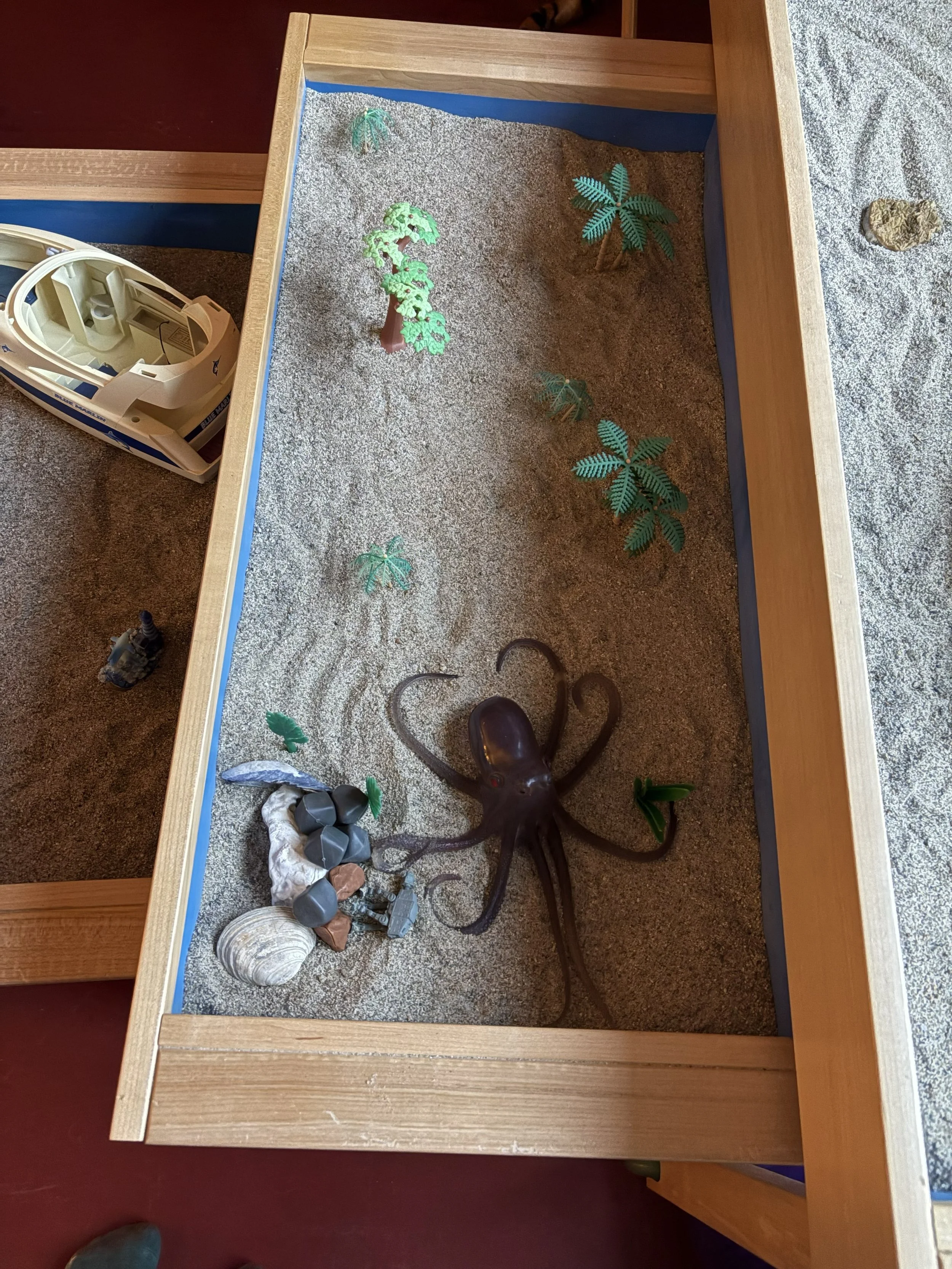
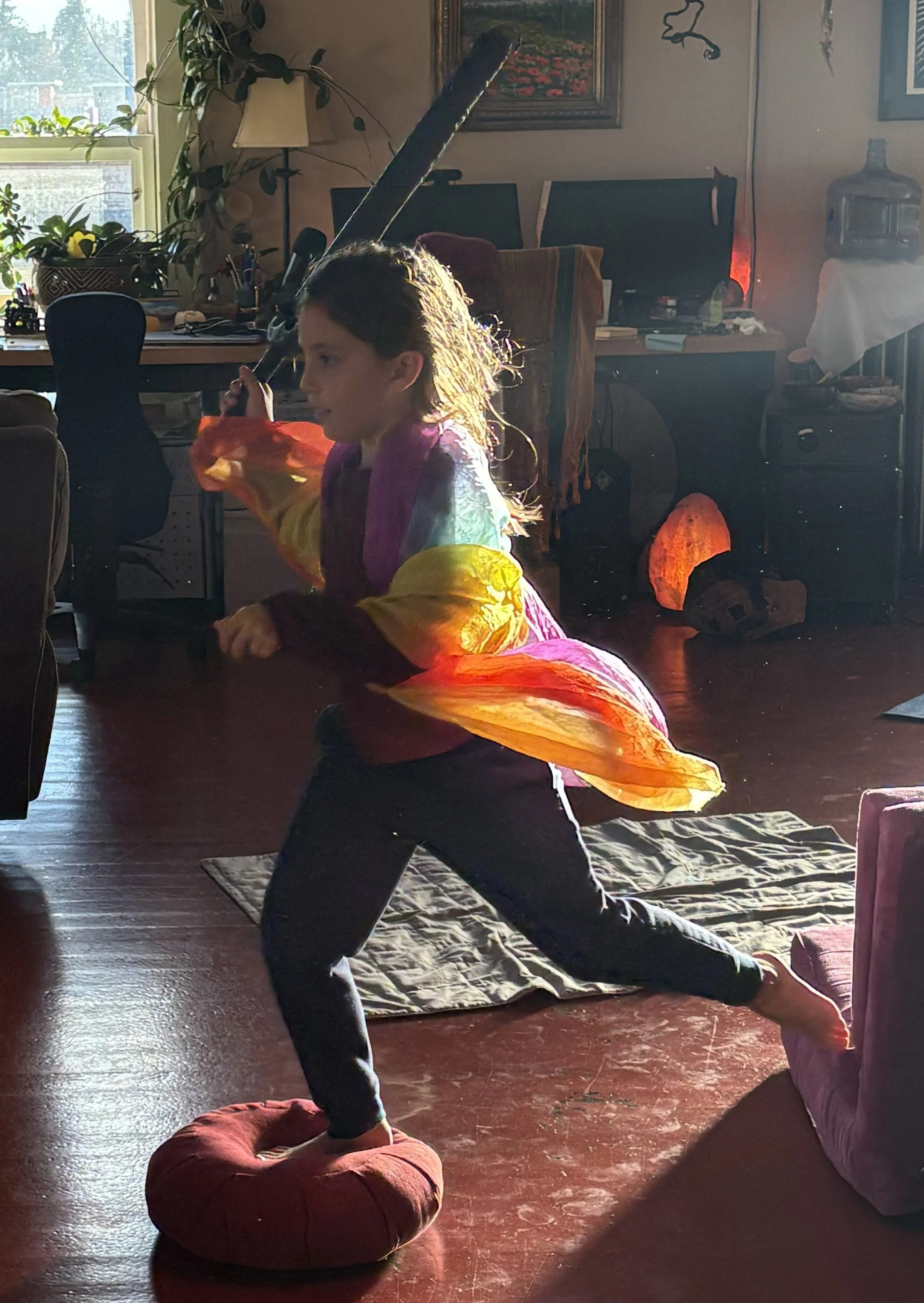
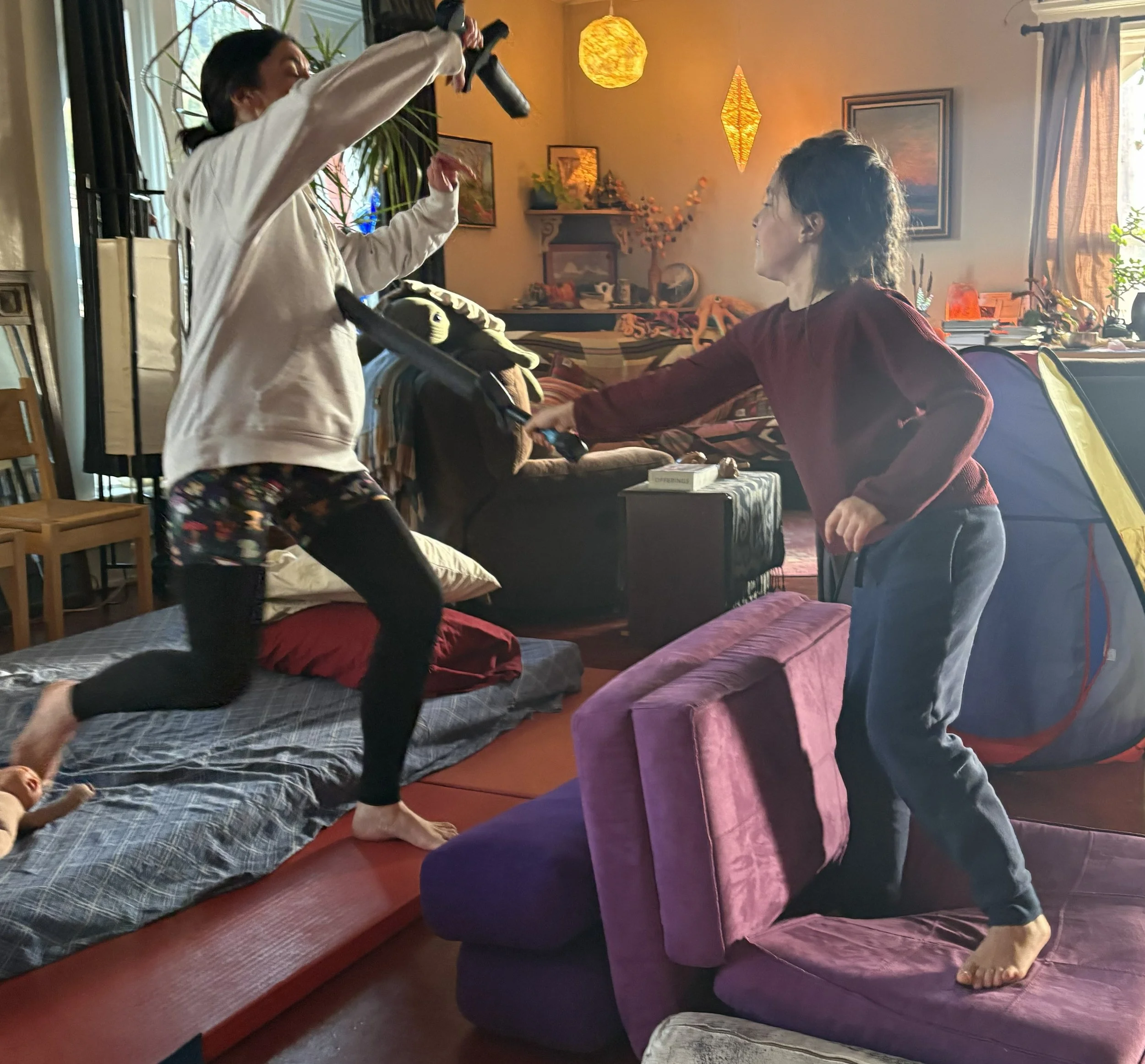
Our Approach
At The Human Development Center, our work is grounded in Attachment Theory, Interpersonal Neurobiology (IPNB), and Pre- and Perinatal Somatic Psychology. We prioritize the innate intelligence of children and the relational field.
Child-Led and Relationship-Centered
Sessions are non-directive and child-led. Play unfolds naturally, guided by the child’s impulses, curiosity, and relational needs in the moment. Adults are invited to follow rather than direct, offering presence instead of instruction. This honors the child’s internal organization and supports authentic integration.
Interpersonal Neurobiology (IPNB) Oriented
Interpersonal neurobiology teaches us that integration happens through relationship. Regulated, attuned presence helps organize the nervous system and supports emotional resilience. In sessions, pacing, safety, and co-regulation are prioritized so that experiences can be felt, held, and integrated without overwhelm.
Child-Led and Relationship-Centered
Sessions are non-directive and child-led. Play unfolds naturally, guided by the child’s impulses, curiosity, and relational needs in the moment. Adults are invited to follow rather than direct, offering presence instead of instruction. This honors the child’s internal organization and supports authentic integration.
Pre- and Perinatal Somatic Perspective
Early experiences—before, during, and shortly after birth—are often held implicitly in the body and nervous system. From a pre- and perinatal somatic lens, children may express and integrate these early experiences through repetition, movement, proximity, rhythm, and relational contact. Play provides a natural, non-verbal pathway for this process to unfold safely within relationship.
What This Work Is—and Is Not
This work is:
Somatic and relational
Educational and supportive
Focused on presence, regulation, and integration
Rooted in respect for the child’s innate wisdom
This work is not:
Psychotherapy or mental health treatment
Diagnosis, interpretation, or analysis of play
Clinical intervention
Practitioner Background
Clara Cunningham

Founder of The Human Development Center
• Licensed Touch Therapy Practitioner
• Specialized training in IPNB through the Mindsight Institute
• 18 years of experience in somatic work through an IPNB lens
• 24 years of experience in Pre- and Perinatal Somatic Psychology
Clara is not a psychologist, psychotherapist, or licensed mental health professional. Services are offered as educational, relational, and somatic support.
Informed Consent & What to Expect
Informed Consent Summary:
By participating, you acknowledge that you understand the scope and intention of Child-Centered Family Play Sessions as somatic and relational support, not mental health therapy. You are responsible for communicating your own boundaries and may pause or stop participation at any time.
What Parents Practice:
Slowing down, observing without interpreting, noticing body sensations, and offering proximity and responsiveness when invited. This supports your child’s sense of safety and helps organize their nervous system.
Request a Session / Intake Form
Please download and complete the child-led family play intake and orientation form below.
You are welcome to fill it out over time or together during your session.
Once completed, please email the form to:
claracunningham1008@gmail.com
You may also use the form below to request a session or consultation.