

Biodynamic Craniosacral Therapy
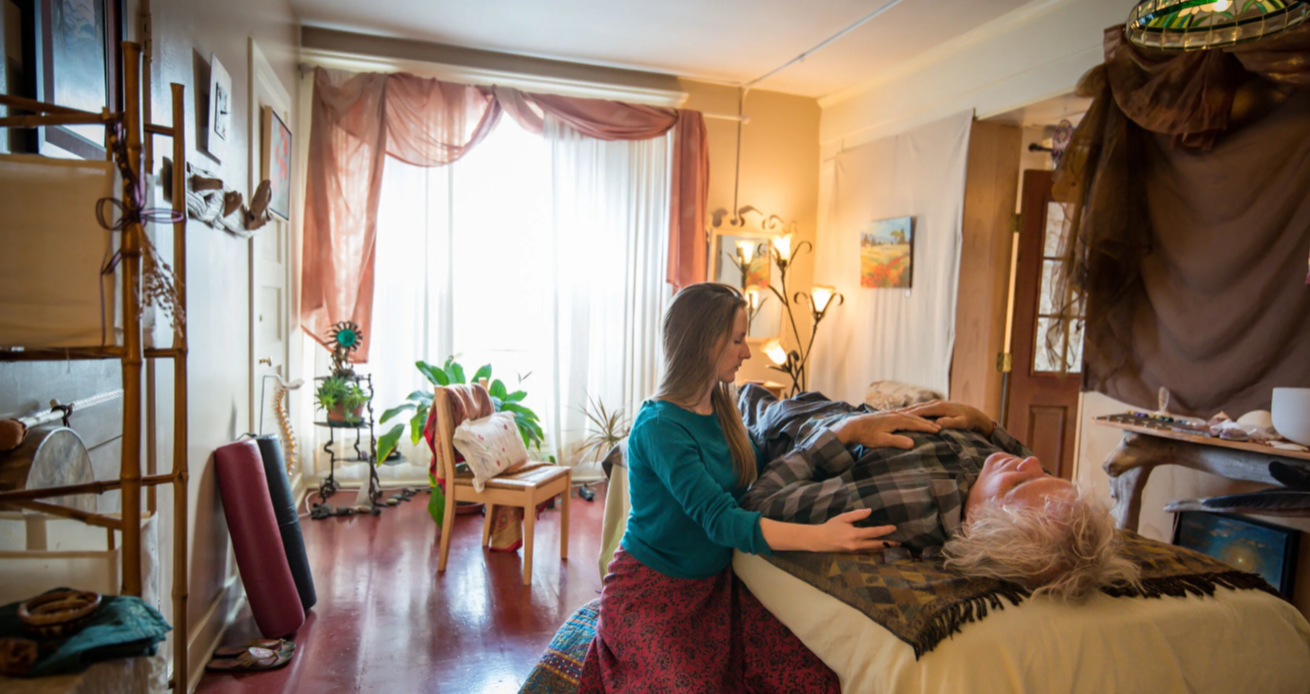
Biodynamic Craniosacral Therapy is a gentle, hands-on approach that supports the body’s natural capacity for healing, regulation, and balance. Through light, listening touch and deep presence, practitioners work with the nervous system, the rhythms of the body, and the inherent wisdom within each person.
Rather than forcing change, Biodynamic Craniosacral Therapy creates a safe and supportive environment where the body can settle, reorganize, and reconnect with its own natural patterns of health and resilience.
Supporting Regulation, Resilience, and Connection
Biodynamic Craniosacral Therapy can support the body and nervous system through a wide range of experiences, including:
Stress, overwhelm, and nervous system dysregulation
Anxiety, tension, and difficulty settling
Trauma recovery and integration
Sleep challenges and difficulty resting deeply
Chronic patterns of holding and physical tension
Recovery after injury, illness, or surgery
Head, neck, jaw, and spinal tension
Migraine and headache support
Digestive and whole-body regulation
Emotional resilience and greater capacity for self-regulation
Life transitions and periods of change
Pregnancy, birth, and postpartum transitions
Supporting bonding and connection between parents and babies
Newborn support for decompression traumatic birth experiences after
Infant settling, regulation, and developmental support
Attachment and relational support for families
Support for children experiencing big emotions, sensory sensitivity, or overwhelm
Deepening body awareness, presence, and connection with oneself
Who We Support
This work can support people of all ages, from newborns and families to adults navigating stress, injury, life transitions, and the many experiences that shape our lives.
We support individuals and families from pregnancy through the postpartum period by fostering healthy bonding and secure attachment within a well supported, connected environment. Together, we help create the conditions for babies to transition into life with greater ease while nurturing the well being of the entire family.
Our care includes support for breastfeeding, nervous system regulation, early attachment, and helping infants settle into their bodies and their relationships with greater comfort, resilience, and connection.
Visit this page on our website to learn more.

Our Philosophy
At the heart of our Biodynamic Craniosacral Therapy practice is a commitment to simple kindness, deep listening, and honoring the innate wisdom within each person. We believe that true healing is not about creating dependence, but about supporting individuals in reconnecting with their own capacity for regulation, resilience, and growth.
Through the gentle, non-invasive touch of Biodynamic Craniosacral Therapy, we offer a space where the nervous system can settle, the body’s natural rhythms can be felt, and deeper layers of healing can emerge in their own timing. Our role is not to fix or impose, but to listen, support, and help create the conditions for each person’s inherent health and wholeness to unfold.
While we incorporate a variety of therapeutic approaches, Biodynamic Craniosacral Therapy remains the foundation of our work and the primary lens through which we support individuals, families, infants, and practitioners.
Roots in Osteopathy
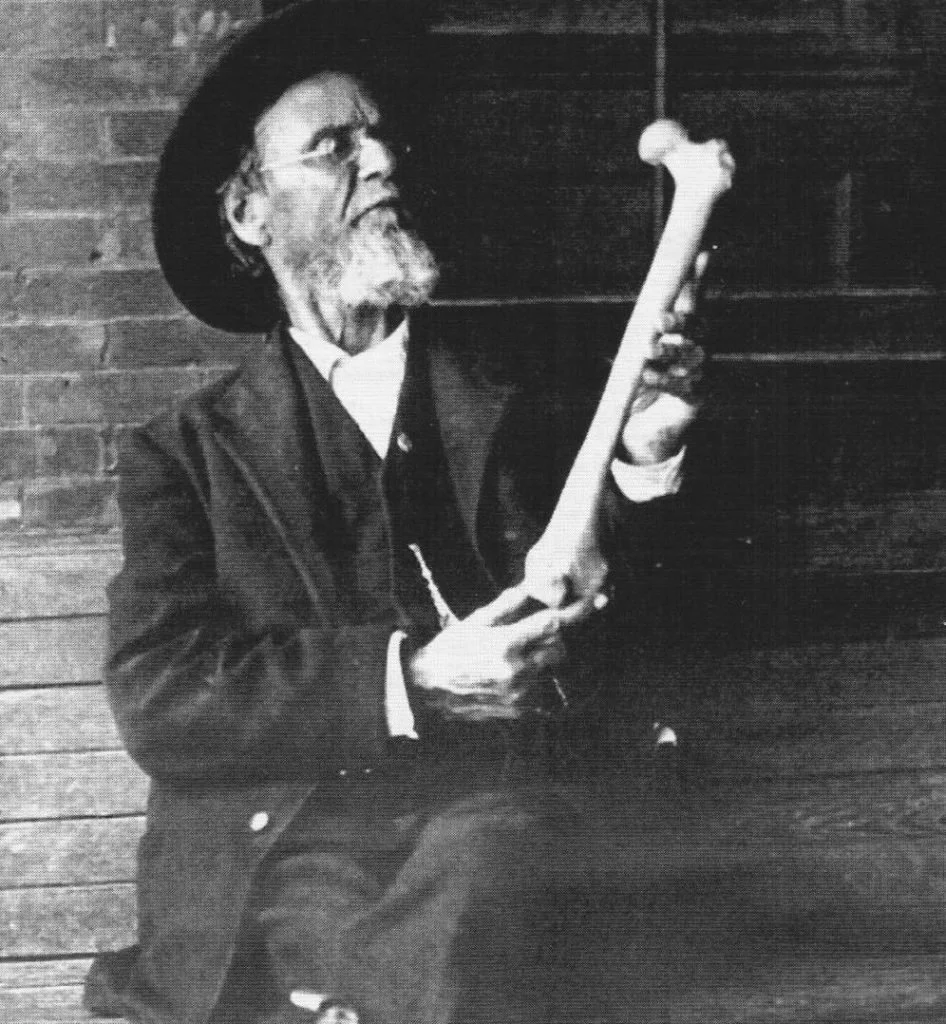
Biodynamic Craniosacral Therapy has its roots in the osteopathic tradition, a philosophy of healing founded on the understanding that the body is an interconnected, self-regulating system.
In the late 1800s, Andrew Taylor Still developed osteopathy through his extensive experience as a physician and surgeon. His work was guided by the belief that all systems of the body are deeply interconnected, and that true health emerges when the whole person is supported. Rather than viewing the body as a collection of separate parts, Still recognized the importance of working with the body’s inherent capacity for balance, adaptation, and healing.
This foundational perspective continues to influence craniosacral work today: supporting the conditions that allow the body’s own intelligence to express itself.
The Cranial Approach
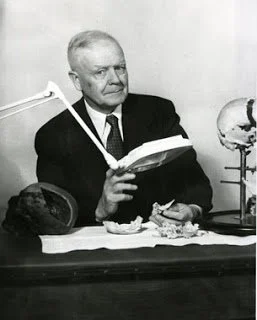
William Garner Sutherland, an early student of Still, expanded osteopathic understanding by exploring the relationship between the structures of the skull, the nervous system, and the deeper rhythms of the body.
Through decades of observation and practice, Sutherland developed the cranial approach within osteopathy. His early work focused on the biomechanics of the cranial system, including the movement and relationships between the cranial bones, membranes, cerebrospinal fluid, and the structures surrounding the brain and spinal cord.
This approach recognized that subtle changes in the cranial system could influence the overall organization and functioning of the body.
The Evolution of Biodynamic Craniosacral Therapy

The Biodynamic Evolution
Over time, Sutherland’s work evolved beyond a focus on mechanics and technique. Through his clinical experience, he began to recognize a deeper organizing intelligence within the human system, one that could guide the healing process when given the right conditions.
This understanding became the foundation for what is now known as the biodynamic approach to craniosacral therapy.
Rather than directing change through force or manipulation, biodynamic practitioners cultivate a state of stillness, presence, and neutrality. Through gentle, listening touch, the practitioner supports the client’s nervous system in finding greater safety, regulation, and connection with its own inherent patterns of healing.
When a person feels deeply supported, seen, and met with compassion, the body often has the opportunity to reorganize in profound ways.
Supporting the Body’s Inherent Wisdom
Biodynamic Craniosacral Therapy works with the subtle rhythms and organizing forces within the body. Practitioners support the nervous system, connective tissues, and the whole person in returning toward greater balance and coherence.
Through this process, clients may experience changes such as deep relaxation, improved regulation, greater ease in the body, and a renewed sense of connection with themselves.
At the heart of this work is the recognition that healing is not something imposed upon the body. It is a process of listening, supporting, and creating the conditions for the body’s own wisdom to unfold.
Biodynamic Craniosacral Therapy honors what Sutherland called the Breath of Life, a profound organizing principle within living systems. Through stillness, presence, and relationship, we support the body’s natural capacity for restoration, resilience, and wholeness.
Biodynamic Craniosacral Therapy for Autism
In this conversation, Betsy Hicks-Russ joins Clara and Hiraman to share her family’s experience with Biodynamic Craniosacral Therapy and the profound changes she witnessed in her son Joey’s development, regulation, and sense of connection.
Together, they explore the importance of understanding the nervous system, sensory processing, and the role of safety and trust in supporting children with autism. They discuss how craniosacral therapy can support regulation, motor planning, emotional resilience, and a child’s ability to feel more settled and connected within their body.
The conversation also highlights the importance of supporting the whole family system. Clara, Hiraman, and Betsy discuss how caregivers’ own regulation and support networks can create a stronger foundation for children to thrive.
Topics include sensory overload, self-regulation, proprioception, the vagus nerve, movement, stimming, breath practices, connection with nature, and practical ways parents can support their children through moments of stress and overwhelm.
This conversation offers a compassionate exploration of child development through the lens of nervous system health, relationship, and the body’s innate capacity for healing and adaptation.
Check out more by Betsy Hicks-Russ Autism Odyssey - AutismOdyssey.orgBetsyOnTheGo.com
Let’s Work Together